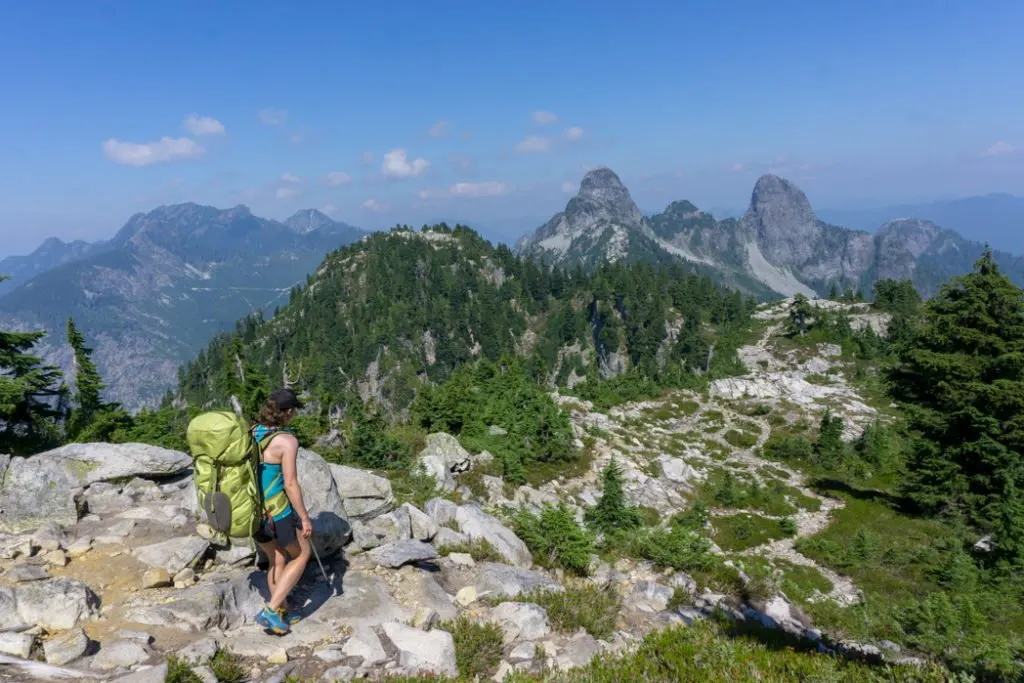
Winter Activities Near Vancouver: 2026–27 Season Guide
Ski opening dates, beginner snowshoe trails and winter hikes near Vancouver for 2026–27, plus what El Niño could mean for snow this season.
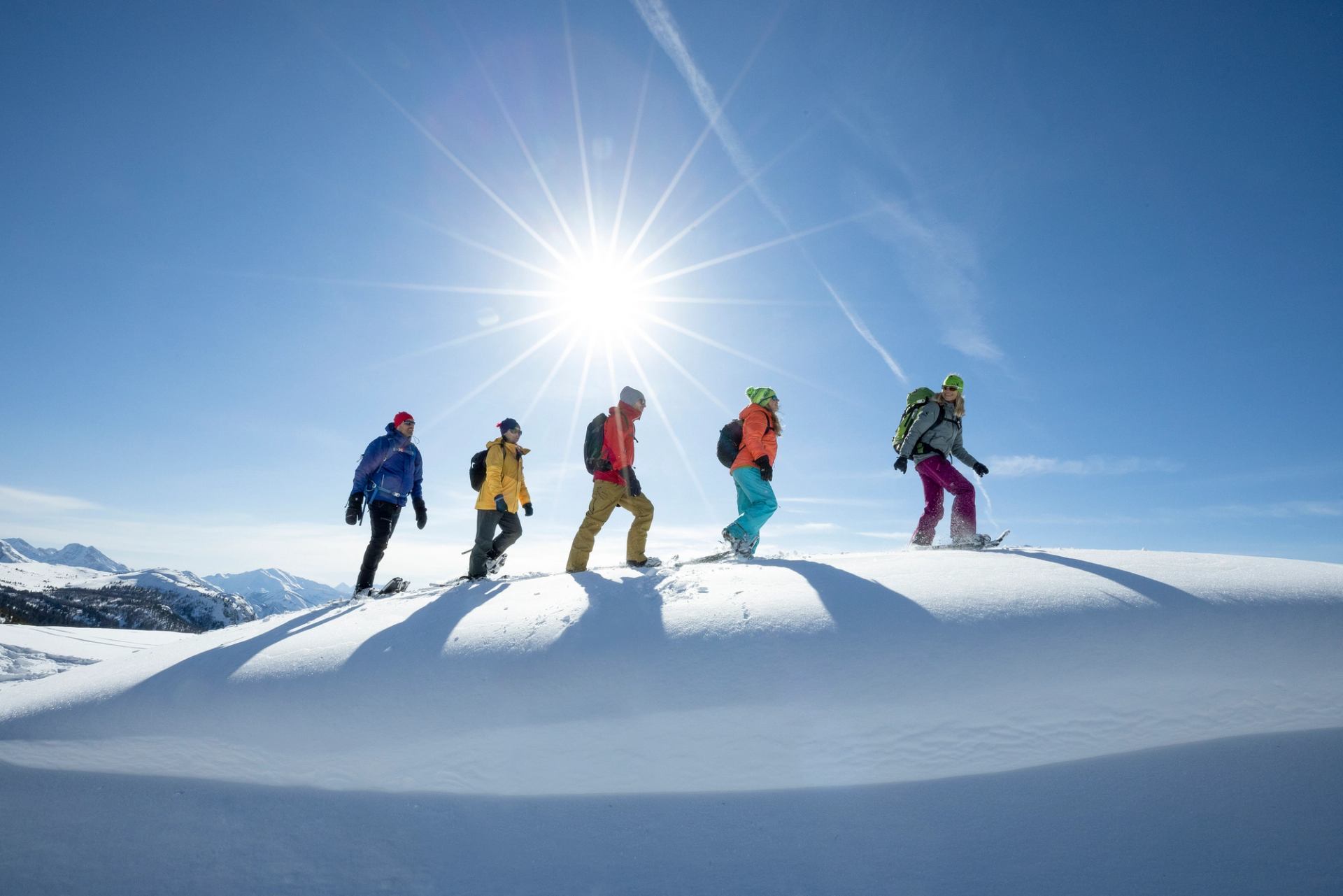
Winter near Vancouver has a rare advantage: you can wake up in a rainy city and be on snow within an hour. The North Shore mountains sit right above the city, Whistler is a scenic drive up the Sea to Sky Highway, and there is something for every level, from a first snowshoe walk to a full day of skiing.
This guide covers the best winter activities near Vancouver for the 2026–27 season: when the ski hills plan to open, where beginners can try snowshoeing, what this year's El Niño could mean for snow, and how to find people to go with.
When does the 2026–27 winter season start in BC?
Opening dates depend on snow, so treat every date as a target rather than a promise.
- Whistler Blackcomb is targeting November 20, 2026, conditions permitting.
- Cypress, Grouse and Mount Seymour on the North Shore usually open between late November and mid-December. Check each resort's website for its latest update.
- Snowshoe and cross-country trails at the local resorts open once there is enough snow, usually around the same time as the ski runs.
If you are driving, winter tires are required on many BC highways from October 1, including the Sea to Sky Highway to Whistler. Check DriveBC for road conditions before you leave.
What El Niño could mean for winter 2026–27
Forecasters expect a strong El Niño this winter. In BC, El Niño winters tend to be warmer and drier than usual, which often means less snow, especially at lower elevations on the coast.
That does not mean a winter without snow. Storms still arrive, and higher terrain usually holds snow better than the lower slopes. What it does mean is that flexibility matters more this year:
- Watch conditions in the days before your outing rather than planning weeks ahead.
- Higher-elevation areas are a better bet when the snow line is high.
- Keep a backup plan for rainy weekends (there are a few ideas below).
- Go when the snow is good. A fresh snowfall on a weekday can be worth more than a slushy Saturday.
Five winter activities near Vancouver
1. Ski or snowboard on the North Shore mountains
Vancouver's three local mountains each have their own character.
- Grouse Mountain is the closest to downtown and can be reached by public transit. It is known for night skiing with city views.
- Cypress Mountain is the largest of the three and sits higher, which can help when snow is marginal. There is no regular public bus, so plan on driving or a shuttle.
- Mount Seymour has a relaxed, local feel and beginner-friendly terrain, plus dedicated snowshoe trails and a snow-play area.
For new skiers and riders, a lesson is the fastest way to enjoy your first days. Night skiing is a good option after work, and it is often a great social plan with friends.
2. Make a day trip to Whistler Blackcomb
Whistler Blackcomb is one of the largest ski resorts in North America, about two hours north of Vancouver. For skiers and riders who want bigger terrain, it is worth the trip.
Leave early, check the forecast and road conditions, and consider sharing the drive. Carpooling saves money and makes the long day more fun, and it is one of the easiest reasons to find someone else heading the same way.
3. Try snowshoeing on beginner-friendly trails
If you can walk, you can snowshoe. It is one of the most affordable ways to enjoy the mountains in winter, and it is a great activity for mixed groups.
The easiest way to start is on the maintained trails at the local resorts, where routes are marked and rentals are available:
- Mount Seymour has dedicated snowshoe trails within the resort area, with rentals and guided tours.
- Grouse Mountain has a network of snowshoe trails at the top of the mountain, including gentle options for beginners.
- Cypress Mountain has a large network of snowshoe trails in its Nordic area on Hollyburn.
Popular routes outside the resorts, such as Dog Mountain in Mount Seymour Provincial Park, are a common next step. They are not maintained like resort trails, so check the trail report and avalanche conditions first, and go with someone experienced. In winter, you may need a free day-use parking pass to visit Mount Seymour Park; see BC Parks for details.
4. Go cross-country skiing
Cross-country skiing is a great full-body workout and much quieter than the downhill runs. The Nordic area at Cypress Mountain is the closest option to Vancouver, with groomed trails for classic and skate skiing and lessons for beginners.
It is also a good choice for people who enjoy hiking and running and want to keep their fitness going through winter.
5. Keep moving when the mountains are not an option
In an El Niño winter, there may be weekends when the mountains are wet rather than white. On those days, lower-elevation routes are still a great way to get outside:
- A walk along the Stanley Park seawall.
- Forest trails in Pacific Spirit Regional Park, which are sheltered in the rain.
- A short loop at Lynn Canyon, with waterfalls at their fullest in the wet season.
Dress for rain, bring a warm layer, and plan a hot drink afterwards. Our fall activities guide has more ideas for walks around the city.
Stay safe on winter trails
Winter conditions in the mountains can change quickly, even close to the city. Before any winter outing:
- Check the forecast and the avalanche forecast at Avalanche Canada if you are going beyond resort boundaries.
- Stay within resort boundaries if you are new. Terrain on the North Shore can turn into avalanche terrain quickly once you leave marked trails.
- Bring the essentials: warm layers, waterproof jacket, water, food, a headlamp, navigation and a charged phone. Daylight is short in winter, so start early.
- Leave a trip plan with someone you trust. AdventureSmart has a free trip-planning tool.
- Go with others, especially on your first few outings.
For backcountry travel, you need avalanche training and gear (transceiver, shovel and probe) and the knowledge to use them.
Find people to ski, snowshoe or walk with
Winter plans are easier with company. A ski day is more fun with someone on the chairlift, a snowshoe trip is safer in a group, and splitting the drive to Whistler makes it more affordable.
The hard part is finding people whose level, schedule and plans match yours. That is why we are building AKTIVPAL: to help adults discover, create and join outdoor activities together, starting in British Columbia. Hosts can share where they are going, the pace and the experience needed, so everyone knows what to expect.
If you are new to finding outdoor partners, our guide on how to find hiking partners in Vancouver covers how to meet people and stay safe, and the same ideas work in winter. You can also follow activity updates on our Movement page.
Frequently asked questions
When does ski season start near Vancouver?
Whistler Blackcomb is targeting November 20, 2026. The North Shore mountains (Cypress, Grouse and Seymour) usually open between late November and mid-December, depending on snow.
Where can beginners go snowshoeing near Vancouver?
The maintained snowshoe trails at Mount Seymour, Grouse Mountain and Cypress Mountain are the best places to start. They are marked, close to facilities, and offer rentals and guided tours.
Will El Niño mean less snow this winter?
El Niño winters in BC are often warmer and drier, which can mean less snow, especially at lower elevations. Snow still falls, so check conditions often and favour higher terrain.
Do I need winter tires to drive to Whistler?
Yes. Winter tires are required on the Sea to Sky Highway from October 1. Check DriveBC for current conditions.
This winter, pick an activity that matches the conditions and your experience, and invite someone to come along.
Ready to find your winter crew? [Join the AKTIVPAL early access waitlist](/waitlist).